

- Published: 22.09.2026.
State Secretary Metelko-Zgombić attends GAC
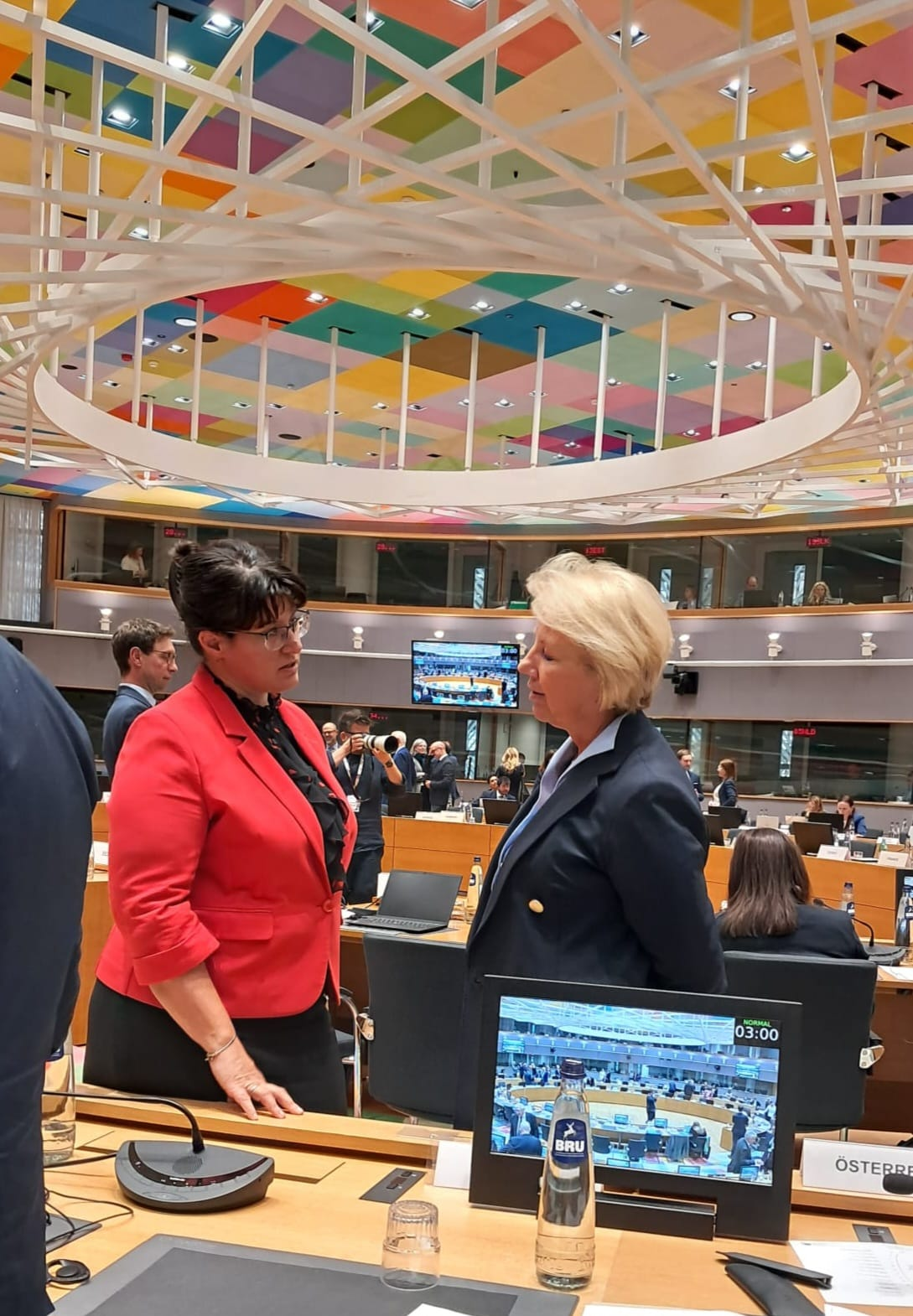
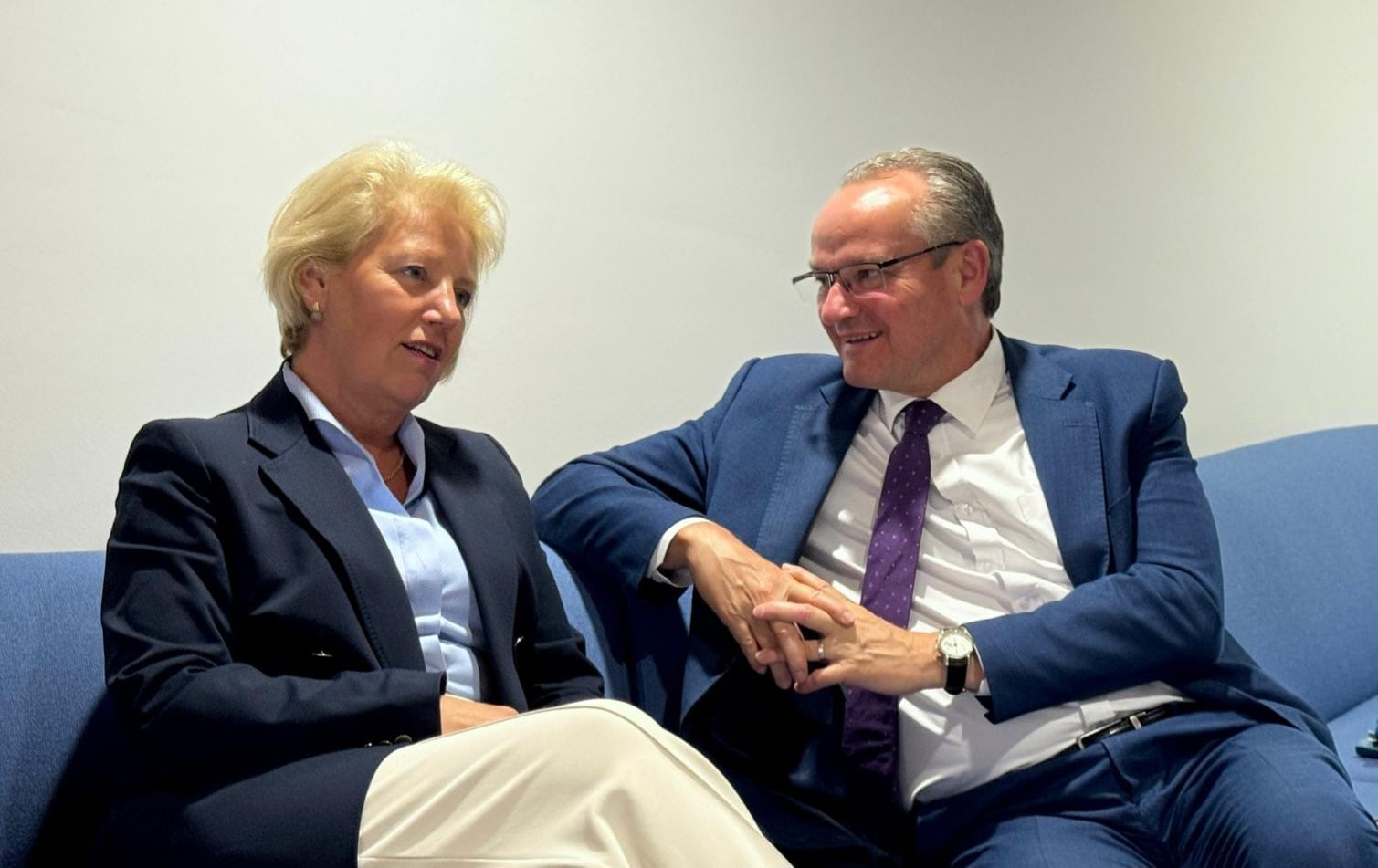

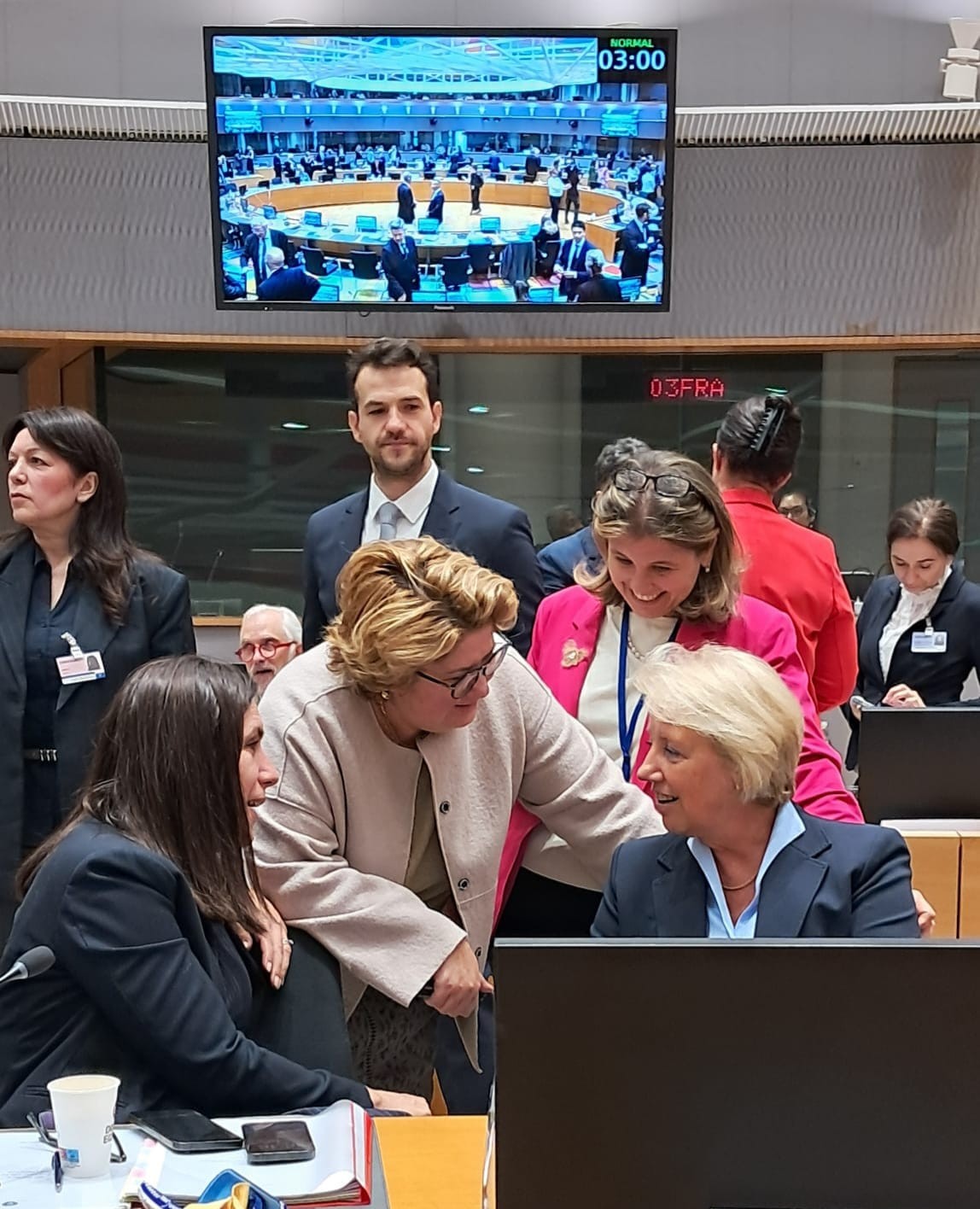
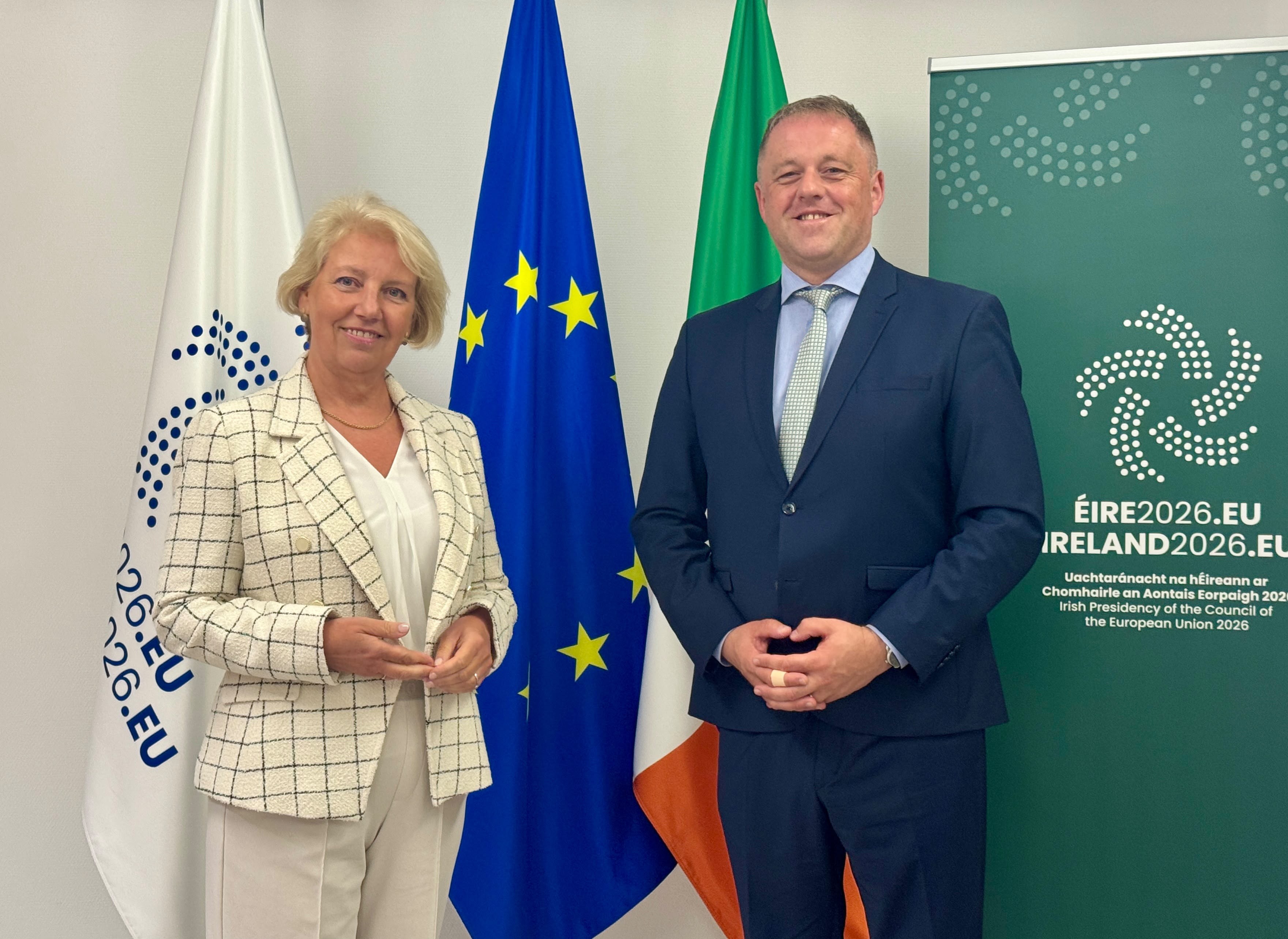
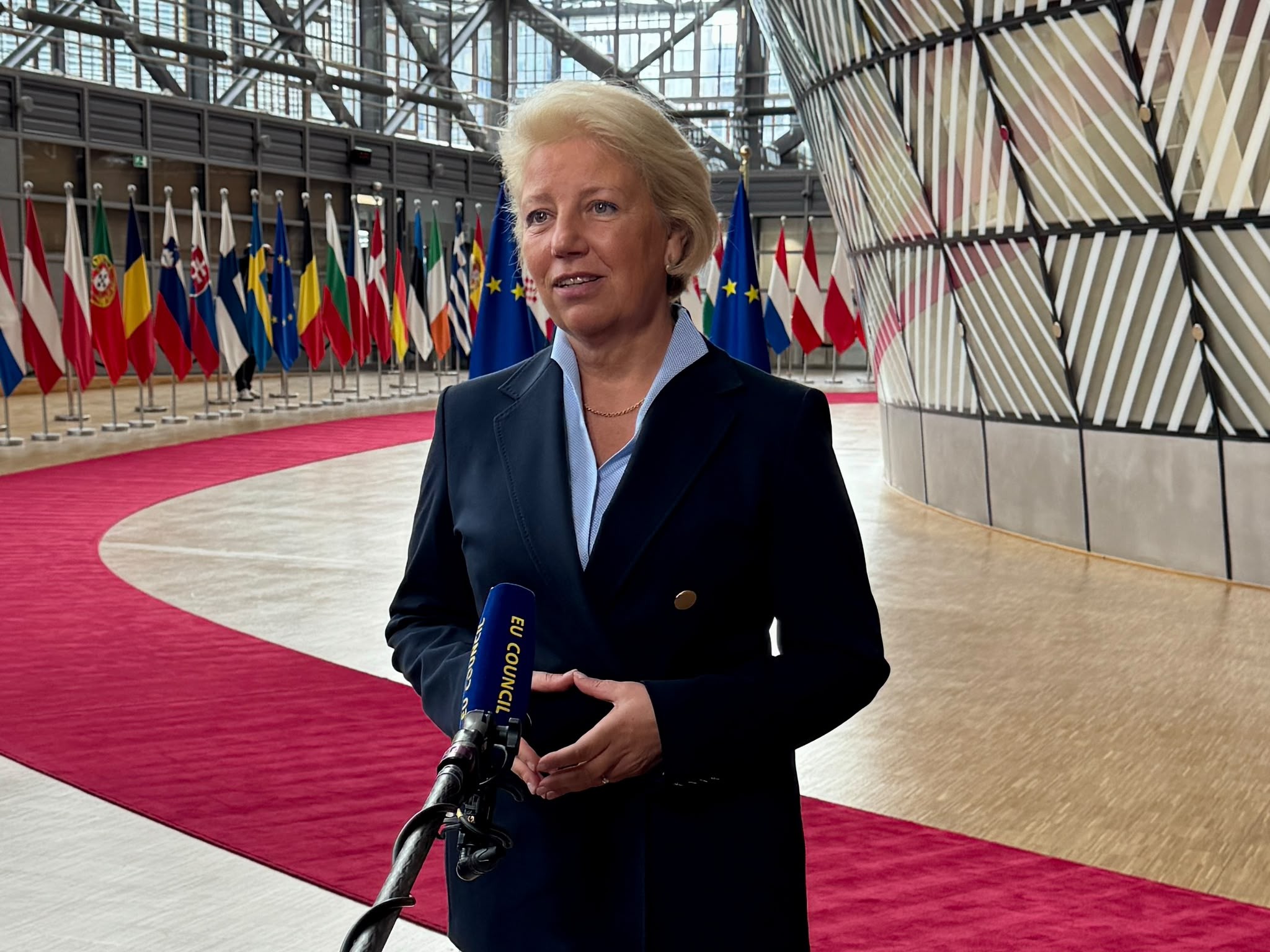
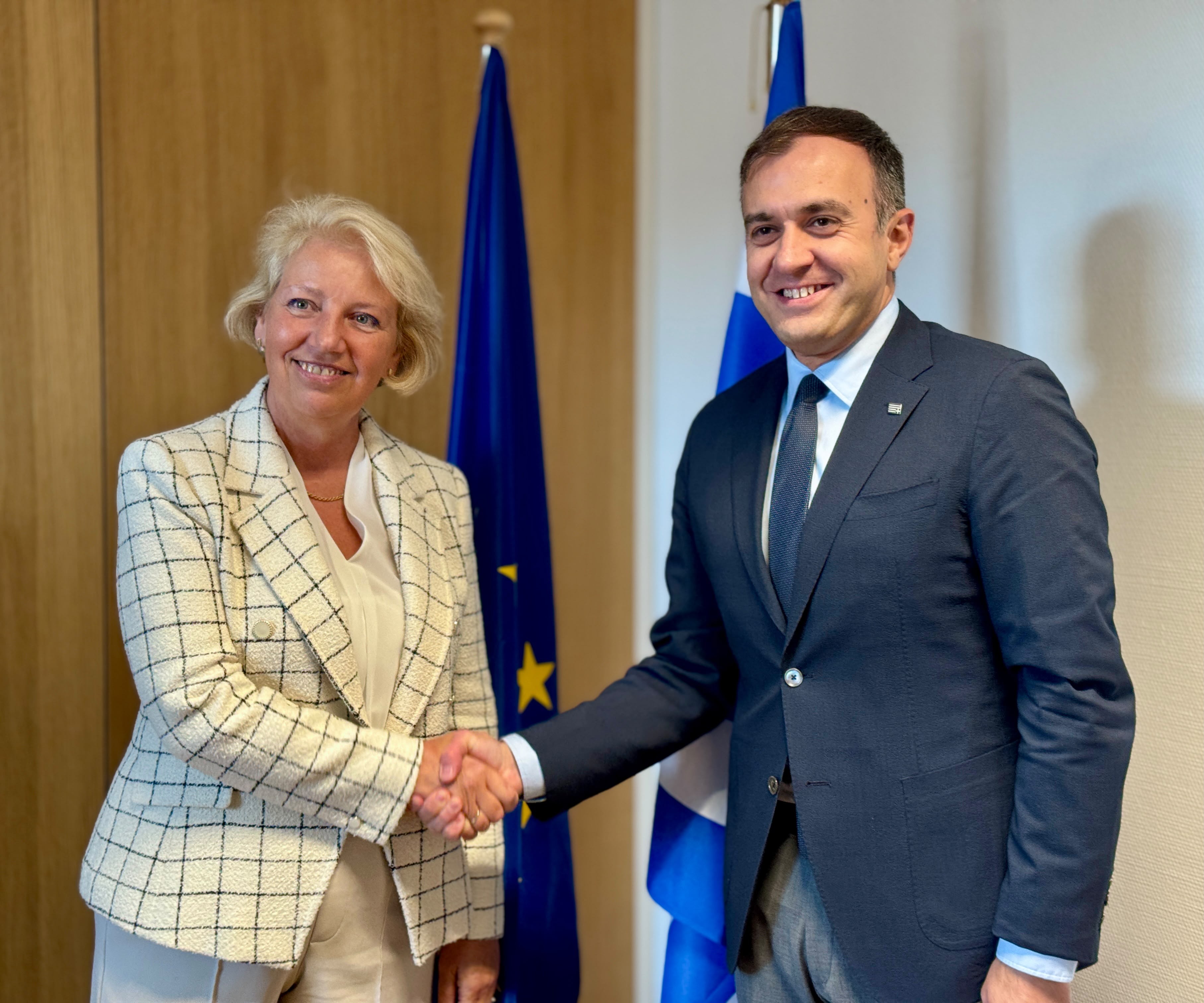
Ahead of the revised version of the Negotiating Box for the future MFF, which the Irish Presidency is expected to present in early October for discussion at the forthcoming European Council, ministers and state secretaries for European affairs discussed both the expenditure and revenue aspects of the future long-term EU budget. Metelko-Zgombić supported an ambitious future MFF capable of delivering on all priorities, stressing that cohesion policy, the Common Agricultural Policy and fisheries policy remain three key priorities for Croatia and should receive adequate funding at least at the current level. She underlined that cohesion and competitiveness are not mutually exclusive objectives and advocated broad access to the future Competitiveness Fund, ensuring equal opportunities for all Member States. Noting the interlinkage between the revenue and expenditure sides of the budget and with a view to achieving an overall larger MFF, she expressed Croatia’s readiness to consider certain new own resources.
The Irish Presidency presented a progress report on negotiations concerning legislative proposals within the omnibus packages aimed at simplifying EU legislation. During the Irish Presidency, discussions were launched on legislative proposals under Omnibus XI on taxation and Omnibus XII on energy.
The Council began preparations for the regular European Council meeting of 15-16 October by exchanging views on the draft agenda. The proposed topics included competitiveness, Ukraine, the 2028-2034 MFF, the Middle East, European defence and security, migration, as well as EU enlargement and reforms. Supporting the proposed agenda, the state secretary placed particular emphasis on Ukraine and EU enlargement. She stressed the importance of preserving EU unity and maintaining comprehensive support for Ukraine, particularly in the areas of air defence and energy security in view of the approaching winter.
Regarding the enlargement process, on which leaders are expected to hold a strategic discussion in October, Metelko-Zgombić highlighted its transformative power and underlined that the process must remain merit-based and founded on the fulfilment of all criteria. She strongly condemned the recent public glorification of the late convicted war criminal Ratko Mladić in Serbia and Republika Srpska, which Croatia considers incompatible with European values, as well as statements of condolence issued by the Speaker of the Parliament of Montenegro. The state secretary also stressed that Bosnia and Herzegovina remains a key priority for Croatia and announced that Croatia would raise the situation in the country at the European Council meeting following the general elections in Bosnia and Herzegovina scheduled for 4 October.
The European Commission briefly presented the Letter of Intent, published following Commission President Ursula von der Leyen’s State of the Union address before the European Parliament on 16 September, which launched preparations for the Commission Work Programme for 2027. The key priorities for the coming year are competitiveness and jobs, social issues and inclusion, security and defence, climate and resilience, democracy, the rule of law and values. The Commission is expected to present its 2027 Work Programme at the Council meeting in November.
As part of the annual rule of law dialogue, the Council held a horizontal discussion based on the European Commission’s Annual Rule of Law Report, published in July. Metelko-Zgombić welcomed the continuation of the dialogue and its preventive role, emphasising the importance of objectivity and equal treatment of all Member States. She noted that progress in implementing last year’s recommendations confirms both their practical value and the need for further efforts. She proposed greater involvement of Member States in the preparation of the Annual Report, which should contribute to better-targeted recommendations. She also welcomed the inclusion of candidate countries, while recalling the possibility of reversibility in the event of backsliding, which is particularly evident in the case of Serbia, where regress has been recorded in all rule of law areas alongside the glorification of war criminals.
The Council also exchanged views on overall trends regarding the rule of law in four candidate countries - Albania, Montenegro, North Macedonia and Serbia - which have been included in the Annual Rule of Law Report since 2024. The discussion took place in the presence of the responsible ministers of the candidate countries. The state secretary underlined that the rule of law remains a fundamental condition for EU membership and called on candidate countries to intensify reforms and deliver tangible results in the relevant negotiating chapters. She stressed that Croatia would continue to pay particular attention to the prosecution of war crimes, including command responsibility, resolving the fate of missing persons and protecting minority rights. She emphasised that respect for final court judgments, accountability for war crimes and the rights of victims are essential elements of the rule of law and European values, and form part of the benchmarks in certain negotiating chapters. She further underlined that the glorification of Ratko Mladić, convicted of genocide and other war crimes, particularly by senior officials, is unacceptable.